


Skip links

Retina Test

As a common person, we carry a generalized perception that eye tests are done only to check whether we need power glasses or not. However, the eye examination goes way beyond the visual acuity tests. Eye tests are especially important if you have diabetes which affects many areas of a person’s body, including the eyes.

Retinal eye examinations are more important for people with diabetes because high blood sugar tends to damage the walls of small blood vessels in the eye. These vessels might develop clots, leak, thicken, or grow abnormal vessels like neovascularization

Most of us avoid going for regular eye tests because the symptoms are mild initially, which leads to bigger issues in future. This is why it is important to go for a regular retina test, i.e., at least once a year, to detect eye problems in the earlier stages. Before moving forward to read more about the diabetic retinopathy test, let’s first understand the fundamentals of retina.

What is Retina?

The retina can be defined as the back screen of our eye wherein all the images are projected, which means that the retina is responsible for our vision. In case the retinal nerves are damaged for some reason, the retina fails to send proper signals to the brain leading to unclear or disrupted vision.
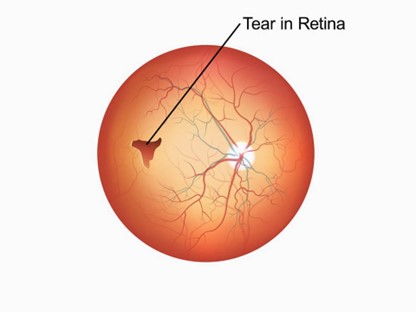
 

The retina can be defined as the back screen of our eye wherein all the images are projected, which means that the retina is responsible for our vision. In case the retinal nerves are damaged for some reason, the retina fails to send proper signals to the brain leading to unclear or disrupted vision.

Diabetic Retinopathy

Diabetic retinopathy is an eye condition caused by high blood sugar that leads to vision loss and even blindness if not diagnosed and treated in time. If you have diabetes, it is especially important to get a comprehensive diabetic retinopathy test; this one step can help you protect your vision.

Moreover, managing your diabetes by keeping your sugar levels in check can also be helpful. Including healthy practices in your lifestyle such as exercise, healthy eating, and regular sugar tests can also help delay and even prevent vision loss.

Diabetic Retinopathy

Diabetic retinopathy is an eye condition caused by high blood sugar that leads to vision loss and even blindness if not diagnosed and treated in time. If you have diabetes, it is especially important to get a comprehensive diabetic retinopathy test; this one step can help you protect your vision.

Moreover, managing your diabetes by keeping your sugar levels in check can also be helpful. Including healthy practices in your lifestyle such as exercise, healthy eating, and regular sugar tests can also help delay and even prevent vision loss.

Diabetic Retinopathy

Diabetic retinopathy is an eye condition caused by high blood sugar that leads to vision loss and even blindness if not diagnosed and treated in time. If you have diabetes, it is especially important to get a comprehensive diabetic retinopathy test; this one step can help you protect your vision.

Moreover, managing your diabetes by keeping your sugar levels in check can also be helpful. Including healthy practices in your lifestyle such as exercise, healthy eating, and regular sugar tests can also help delay and even prevent vision loss.

Frequently Asked Questions

A. There are three main methods for cataract surgery: Phacoemulsification (Phaco), Extracapsular Cataract Extraction (ECCE), and Intracapsular Cataract Extraction (ICCE). Among these, Phaco is the most common and advanced.

A. Cataract surgery is typically not painful. Local anesthesia is used to numb the eye, and any discomfort during the procedure is minimal. Post-surgery, patients may experience mild irritation.

A. Cataract surgery is a common and generally safe procedure. It is considered serious in terms of the potential impact on vision but is routinely performed with a high success rate.

A. You should try to avoid blinking during cataract surgery, as it can disrupt the procedure. Surgeons use instruments to keep the eye open and steady throughout the surgery.

A. Some individuals with underlying eye conditions, severe medical problems, or unrealistic expectations may not be suitable candidates for cataract surgery.

A. Phacoemulsification, or "Phaco," is the most common and advanced cataract surgery method. It involves small incisions, quicker recovery, and improved outcomes, making it the preferred choice for most patients.